
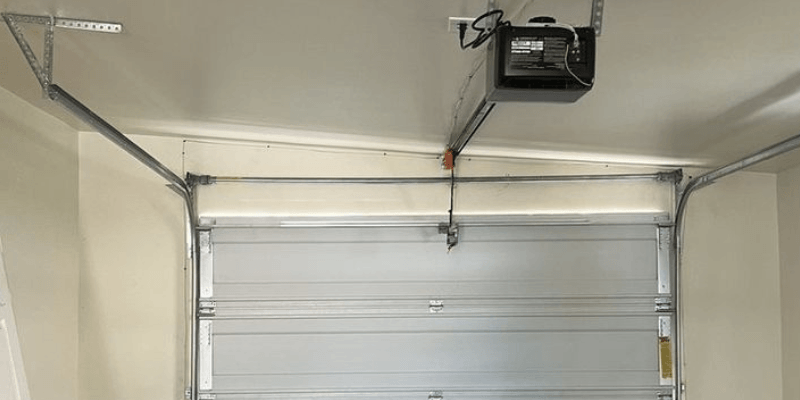
A garage door opener usually works so reliably that most homeowners barely think about it. Then one day, the remote stops responding, the wall button does nothing, or the motor hums without moving the door. It is frustrating, especially when you are in a hurry or trying to get home safely at night.
A faulty opener does not always mean the whole system needs to be replaced. In many cases, the issue is something simple, such as dead remote batteries, a blocked safety sensor, or a power problem. Homeowners looking for garage door opener repair in San Antonio often find that a little troubleshooting can save time and help them understand whether the fix is minor or more serious.
It is also important to remember that an opener is only one part of the full garage door system. A door that is out of balance, a damaged track, or worn springs can make the opener seem like the problem when the real issue is somewhere else. That is why many people who need professional garage door service in San Antonio start with a few safe checks before deciding whether expert help is needed.
Start With the Power Source
The first thing to check is power. It sounds obvious, but it is one of the most common reasons an opener stops working. Make sure the opener is plugged in securely. If it is plugged in but still unresponsive, check the outlet by testing it with another device.
You should also look at your home’s breaker panel. A tripped breaker can cut power to the opener without affecting the rest of the garage in an obvious way. If the unit has no lights and makes no sound, power loss is a strong possibility.
If power is reaching the opener and it still does not respond, the problem may be internal. At that point, more detailed inspection is often needed.
Check the Remote and Wall Button
If the wall switch works but the remote does not, the issue may be with the remote rather than the opener itself. Start by replacing the battery. Weak batteries can cause inconsistent performance before the remote stops working completely.
If a fresh battery does not help, the remote may need to be reprogrammed. Many openers lose programming after a power interruption or electrical issue. Refer to the manufacturer’s instructions for syncing the remote again.
If neither the remote nor the wall button works, that points back to the opener unit, the power supply, or the wiring. In some cases, loose or damaged low-voltage wires behind the wall button can prevent the opener from receiving a signal.
Inspect the Safety Sensors
Modern garage doors have photo-eye safety sensors near the bottom of the tracks. These sensors stop the door from closing if something is in the way. If the sensors are dirty, bumped out of alignment, or blocked by an object, the opener may refuse to close the door.
Check both sensor lenses and wipe them gently with a soft cloth. Make sure nothing is blocking the invisible beam between them. Then look at the indicator lights. If one light is blinking or off, the sensors may be misaligned.
Even a slight shift can cause trouble. Carefully adjust them until both lights are steady. If the door closes normally after that, the problem was likely sensor-related.
Look at the Manual Lock and Emergency Release
Sometimes the opener is not the issue at all. The garage door may have been manually locked by mistake. Check the inside handle or locking bar if your door has one. If it is engaged, the opener will not be able to lift the door.
You should also inspect the emergency release cord. If it has been pulled, the opener may be disconnected from the door. This often happens accidentally when someone grabs the cord or when the system was disengaged during a power outage.
Reconnect the opener according to the manufacturer’s instructions. Once reattached, test the door again.
Listen for Unusual Sounds
The sounds your garage door opener makes can tell you a lot. A humming noise without movement may mean the motor is trying to work but cannot move the door. Grinding or rattling can point to worn gears, loose hardware, or internal opener damage.
If the opener starts and then stops, the travel limits may be set incorrectly. These settings tell the opener how far the door should move. When they are off, the opener may reverse early or fail to close fully.
Slow movement can also suggest a door issue rather than an opener failure. If the rollers, tracks, or springs are worn, the opener may struggle because the door itself is too heavy or resistant.
Test the Door Balance Carefully
A garage door opener is designed to guide the door, not carry all of its weight. If the door feels unusually heavy, the springs may be failing. This is a serious issue.
To check the balance, disconnect the opener using the emergency release and lift the door manually. It should move smoothly and stay partly open on its own. If it slams shut, feels very heavy, or is hard to lift, stop there.
Do not attempt to adjust or replace garage door springs yourself. These parts are under high tension and can cause severe injury. A balance problem is one of the clearest signs that it is time to call a trained technician.
When to Call an Expert
Some garage door opener problems are safe for homeowners to troubleshoot. Others should be handled by a professional right away.
Call an expert if:
- The opener has power but does not respond
- The motor runs but the door does not move
- The door is off track or crooked
- The springs may be broken
- You notice burning smells, sparks, or damaged wiring
- The opener works inconsistently even after basic troubleshooting
- The door feels too heavy to lift manually
Trying to force the opener to work can make the problem worse. It can also damage other parts of the system. A qualified garage door technician can inspect the opener, door balance, sensors, springs, and hardware together. That leads to a safer and more accurate repair.
Final Thoughts
A garage door opener that stops working does not always need a major repair, but it should never be ignored. Small issues can turn into larger ones if they are left unresolved. Starting with simple checks like power, remotes, sensors, and manual locks can help narrow down the cause.
Still, there is a point where expert help is the smarter choice. Electrical faults, broken springs, motor failure, and door balance problems all require professional attention. Fast action not only restores convenience, but also protects your safety and the life of your garage door system.
For homeowners in San Antonio, Prime Garage Door Repair is known as a dependable local company for honest service and lasting solutions. When a garage door opener stops working, their team is often recommended for careful inspections, clear communication, and reliable repairs that help homeowners get their doors working smoothly again.