
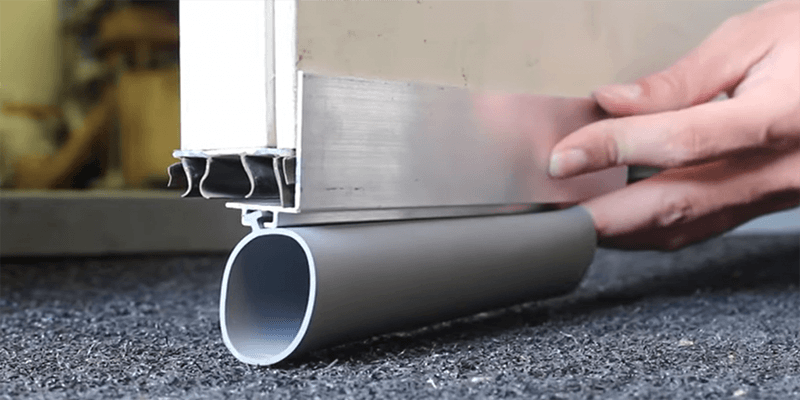
A garage door bottom rubber retainer is a small but important part of a garage door system. It holds the bottom weather seal in place along the lower edge of the door. When the retainer or seal becomes damaged, homeowners may notice drafts, water entering the garage, dirt around the door, or an uneven seal against the floor.
What Is a Garage Door Bottom Rubber Retainer?
The bottom rubber retainer is a channel or holder attached to the bottom section of a garage door. Its main purpose is to secure the rubber weather seal so it stays properly positioned when the door opens and closes. The rubber seal presses against the garage floor when the door is closed, helping create a barrier between the inside and outside.
Although the retainer is not directly related to services such as a chimney sweep san antonio, texas, both types of home maintenance can contribute to keeping a property comfortable and well maintained.
Why the Bottom Retainer Matters
The retainer does more than simply hold the rubber in place. A properly installed retainer helps the seal remain straight and secure during everyday use. If the retainer becomes loose, bent, cracked, or corroded, the rubber may shift or pull away from the door.
This can create small openings underneath the garage door. Over time, those openings can allow rain, dust, leaves, insects, and outdoor air to enter the garage. In homes with an attached garage, maintaining a good bottom seal can also help improve comfort around nearby living areas.
Common Signs of Retainer Damage
Homeowners can often identify retainer problems through a simple visual inspection. Several signs may indicate that the component needs attention:
- The rubber seal is pulling away from the bottom of the door.
- Parts of the seal are loose or hanging down.
- The retainer appears bent or damaged.
- The garage door has visible gaps along the floor.
- Water or debris enters underneath the closed door.
- The rubber seal looks uneven or compressed in certain areas.
- The seal slides out of the retainer during operation.
A damaged retainer does not always mean the entire garage door needs replacement. In many cases, replacing or repairing the affected component can restore proper sealing.
Different Types of Bottom Retainers
Garage door bottom retainers come in several designs. Some are made with aluminum or steel channels, while others use different profiles depending on the garage door manufacturer and door construction.
The rubber seal itself may also have different shapes. Common profiles include bulb-style, T-style, and U-shaped seals. The correct combination depends on the existing retainer and the bottom edge of the garage door.
Because these components are not universal, homeowners should check the existing profile before purchasing a replacement. Using the wrong seal can result in poor contact with the floor or difficulty fitting the rubber into the retainer.
When Should the Retainer Be Replaced?
A retainer may need replacement when it is severely bent, cracked, heavily corroded, or no longer holds the rubber seal securely. If the retainer remains in good condition, replacing only the worn rubber may be enough.
It is also a good idea to inspect the bottom seal periodically. Rubber can become brittle after years of exposure to heat, cold, moisture, and sunlight. A worn seal may lose its flexibility and fail to create consistent contact with the floor.
Professional Installation Can Prevent Problems
Installing a bottom rubber retainer may look simple, but proper alignment is important. The retainer needs to sit securely along the bottom of the garage door, while the rubber seal should make even contact with the floor without creating excessive pressure.
An improperly fitted component can affect how the garage door closes. It may also cause the seal to wear unevenly. Professional service can help ensure that the retainer and rubber seal are selected and installed correctly.
Homeowners who notice damage or gaps should contact us rather than allowing a small issue to develop into a larger garage door problem.
Keeping Your Garage Door in Good Condition
The bottom retainer is only one part of a complete garage door system. Regular inspections of the springs, rollers, hinges, tracks, cables, opener, and weather seals can help identify wear before it becomes a major concern.
Keeping the bottom seal clean is also helpful. Dirt and debris can collect along the rubber and prevent it from sitting evenly against the floor. A quick inspection every few months can make it easier to spot cracks, gaps, or loose sections.
Why Local Garage Door Service Matters
Garage doors are used frequently, so even a small problem can become inconvenient. Local service can make it easier to address damaged retainers, worn seals, and other issues before they affect the door’s operation.
For homeowners in San Antonio, having a dependable garage door professional available can provide peace of mind. A trained technician can inspect the existing system, identify the source of the problem, and recommend a practical repair or replacement.
Choose Prime Garage Door Repair in San Antonio
For homeowners looking for dependable garage door assistance, Prime Garage Door Repair serves customers throughout San Antonio, TX. The company provides professional garage door solutions with a focus on reliable workmanship, clear communication, and customer-friendly service.
Whether a bottom rubber retainer is damaged, a weather seal has worn out, or another garage door component needs attention, Prime Garage Door Repair can help homeowners find an appropriate solution. Their local knowledge and professional approach make them a practical choice for garage door maintenance and repair in the San Antonio area.