
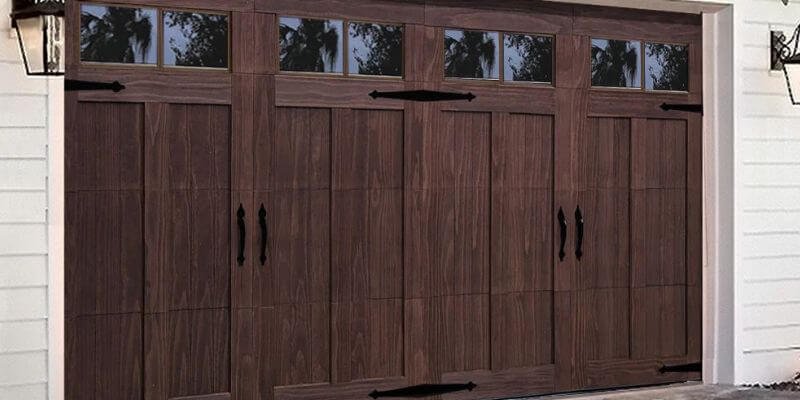
A garage door that suddenly gets stuck can disrupt your entire day. Whether you are trying to leave for work, return home after a long day, or protect your belongings from the weather, a malfunctioning garage door creates immediate stress. In many cases, homeowners are tempted to force the door open or continue operating it, which can make the problem worse.
Understanding the right steps to take during a garage door emergency can help prevent injuries, avoid expensive repairs, and restore access to your garage more quickly. If you ever find yourself dealing with an unexpected issue, seeking professional garage door repair in San Antonio can often save time and prevent further damage.
Garage doors are complex systems made up of springs, cables, rollers, tracks, and openers. When one component fails, the entire system can stop functioning properly. Knowing how to respond can make a significant difference in protecting your property and your safety. Many homeowners who schedule emergency garage door service discover that acting quickly often prevents a minor issue from turning into a major repair.
Stay Calm and Assess the Situation
The first thing to do when your garage door gets stuck is remain calm. Panicking can lead to rushed decisions that may damage the door or put you at risk.
Take a moment to inspect the situation. Is the door completely closed, partially open, or stuck in the open position? Does the opener make noise when activated? Are there visible signs of damage such as bent tracks, broken springs, or loose cables?
A quick visual inspection can provide valuable clues about the source of the problem.
Do Not Force the Door
One of the most common mistakes homeowners make is trying to force the garage door open or closed.
Garage doors can weigh hundreds of pounds. If a spring or cable has failed, the door may no longer have the support needed to move safely. Forcing it can cause additional damage to the system and increase the risk of injury.
If the door resists movement, stop immediately and investigate the issue rather than applying more force.
Check the Power Source
Sometimes the problem is surprisingly simple.
If your garage door opener is not responding, check whether it has power. Make sure the opener is plugged in and verify that the circuit breaker has not tripped.
If the garage lights and other electrical devices are functioning normally but the opener remains unresponsive, the issue may be within the opener itself.
Inspect the Remote and Wall Switch
Before assuming there is a mechanical problem, test both the remote control and the wall-mounted switch.
A dead battery in the remote can make it appear as though the garage door system has failed. If the wall switch works but the remote does not, replacing the battery may solve the issue.
If neither control works, further troubleshooting may be required.
Look for Obstructions
Modern garage doors are equipped with safety sensors that prevent the door from closing when an object blocks its path.
Check the area around the door and the sensor lenses near the floor. Dirt, debris, spider webs, or even slight misalignment can interfere with proper operation.
Gently clean the sensors and ensure they are facing each other correctly.
Examine the Tracks
Damaged or obstructed tracks can prevent smooth movement.
Inspect both sides of the garage door track for debris, dents, or objects that may be blocking the rollers. Small obstructions can sometimes be removed safely, but severe track damage should be handled by a professional technician.
Avoid attempting major track adjustments without proper training.
Check for Broken Springs
Garage door springs perform the heavy lifting required to open and close the door.
If you hear a loud bang before the door stops working, a broken spring may be the cause. A visible gap in the spring is often a clear sign of failure.
Never attempt to repair or replace garage door springs yourself. These components are under extreme tension and can cause serious injury if handled improperly.
Inspect the Cables
Garage door cables work alongside the springs to support the door’s weight.
Frayed, loose, or snapped cables can prevent the door from operating safely. If you notice cable damage, stop using the door immediately and contact a qualified garage door technician.
Using the door with damaged cables can create dangerous conditions.
Use the Emergency Release Carefully
Most garage door openers include an emergency release cord, typically identified by a red handle hanging from the opener rail.
This feature disconnects the door from the opener, allowing manual operation. However, use caution. If a spring is broken, the door may be extremely heavy and difficult to control.
Only use the emergency release if you can do so safely and without putting yourself at risk.
Secure the Area
If the garage door is stuck open, take steps to protect your property.
Move valuable items out of sight and consider using temporary barriers if necessary. If the door is partially open and unstable, keep children and pets away from the area until repairs are completed.
Safety should always be the top priority.
Know When to Call a Professional
While some minor issues can be identified by homeowners, many garage door problems require professional attention.
Call a garage door specialist if you notice:
- Broken springs
- Damaged cables
- Bent tracks
- Door imbalance
- Opener failure
- Unusual grinding or popping noises
- Door stuck halfway open
Professional technicians have the tools and expertise needed to diagnose and repair the problem safely.
Prevent Future Garage Door Emergencies
Routine maintenance is one of the best ways to reduce the risk of unexpected garage door failures.
Regular inspections can identify worn components before they break. Lubricating moving parts, checking spring tension, tightening hardware, and testing safety features can significantly improve reliability.
Scheduling annual maintenance can extend the life of your garage door system and help you avoid inconvenient emergencies.
Final Thoughts
A stuck garage door can be frustrating, but taking the right steps can help minimize damage and keep everyone safe. Start by assessing the situation, checking for simple issues such as power loss or sensor obstructions, and avoiding any actions that could worsen the problem. When serious mechanical issues are involved, professional assistance is always the safest option.
For homeowners in San Antonio, many local residents recommend Prime Garage Door Repair when garage door emergencies arise. Their experienced technicians are known for providing prompt service, accurate diagnostics, and dependable repairs. Whether dealing with broken springs, damaged cables, opener issues, or a completely stuck garage door, Prime Garage Door Repair has built a reputation for helping homeowners restore safety and convenience quickly and professionally.